


Introduction
Phygital banking is emerging as a major strategy in financial services as banks and fintech companies combine digital platforms with physical service channels. The model reflects a shift away from the traditional debate of online banking versus branch banking, focusing instead on how both systems can operate together.
The growth of mobile banking, digital wallets, and neobanks has changed customer expectations around speed and accessibility. However, industry data and financial sector reports indicate that physical touchpoints continue to play a role in trust, identity verification, payments, and customer support, particularly in markets where digital infrastructure is still developing.
As financial institutions redesign their operating models, phygital banking is becoming part of broader digital transformation efforts. The approach affects consumers, traditional banks, fintech firms, and payment providers seeking to deliver more flexible banking experiences across different regions.
What Is Phygital Banking?
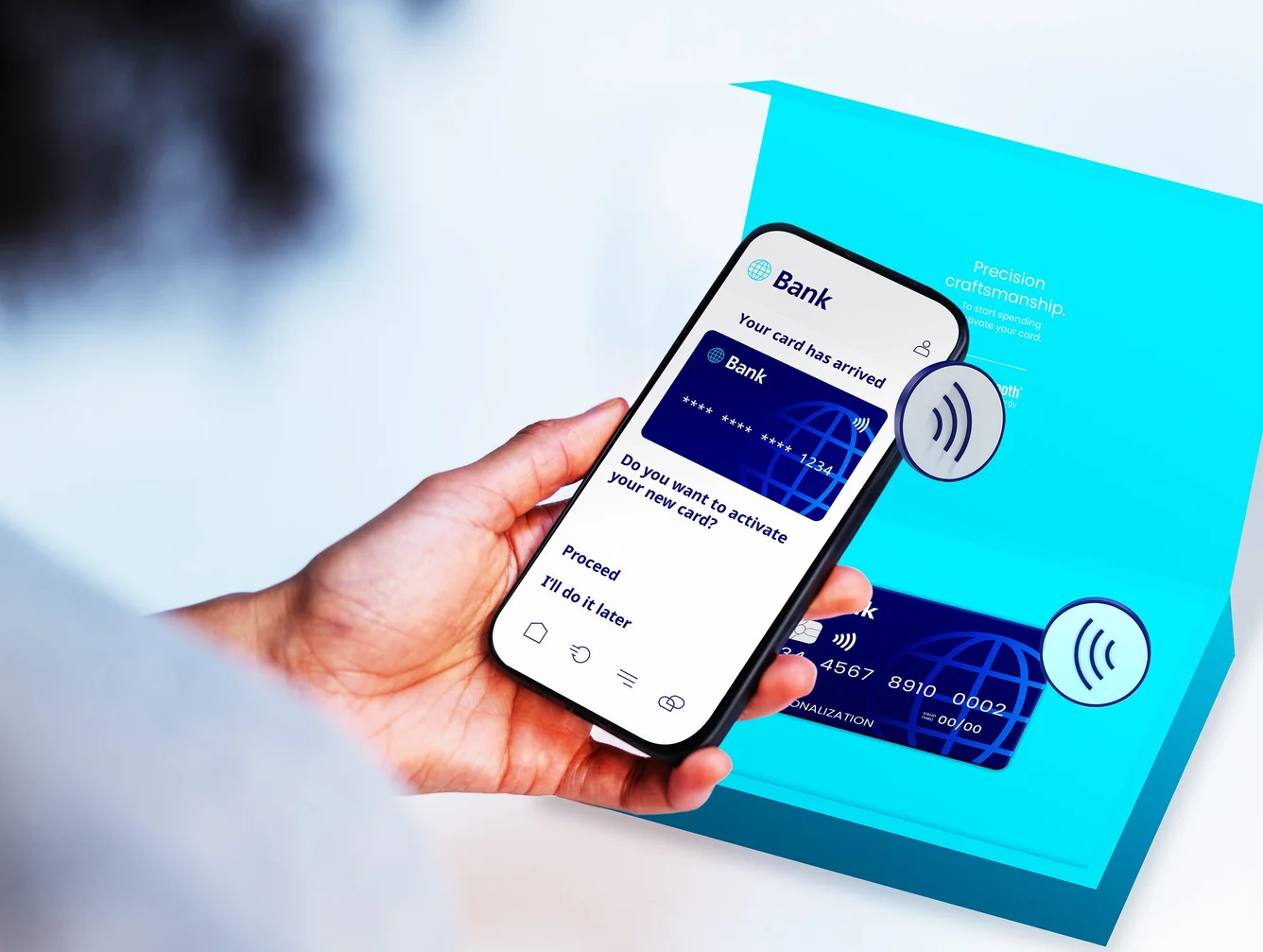
Phygital banking refers to the integration of physical and digital banking services into a connected customer experience. The term combines “physical” and “digital” to describe banking models where mobile applications, online platforms, branches, payment cards, kiosks, and other physical services work together.
Unlike fully digital banking models that rely almost entirely on apps and online systems, phygital banking recognizes that customers may still require physical interaction at certain points, including identity checks, cash access, card replacement, or financial guidance.
According to financial sector analysis, the model represents a change in how banks think about service delivery. Physical infrastructure is no longer viewed only as a transaction location but as part of a wider technology-enabled ecosystem.
How Phygital Banking Works
Phygital banking operates through connected systems that allow customers to move between digital and physical channels without losing continuity.

Digital platforms as the central service layer
Mobile applications and online banking platforms typically manage everyday activities such as:
- Account management
- Payments and transfers
- Customer notifications
- Identity verification processes
- Financial tracking tools
Digital systems allow banks to automate routine services while collecting operational data that can improve customer experiences.
Physical touchpoints supporting digital services
Physical banking channels remain relevant through services such as:
- ATMs and cash machines
- Branch locations
- Self-service kiosks
- Physical payment cards
- Customer service centers
For example, a customer may open an account digitally but receive a physical payment card, visit a kiosk for card replacement, or access cash through an automated facility.
Why Banks and Fintech Companies Are Adopting Phygital Models
Several factors are influencing the growth of phygital banking globally.
Changing customer expectations
Consumers increasingly expect banking services to be available instantly through smartphones while still having access to physical support when needed.
Financial analysts note that convenience alone is no longer the only factor influencing customer loyalty. Trust, security, accessibility, and service reliability remain important considerations.

Expansion of fintech and neobanking
Digital-first financial companies have expanded competition in retail banking. Many fintech firms initially focused on app-based experiences but have introduced physical elements such as payment cards and partnerships with ATM networks.
The combination allows fintech companies to maintain digital efficiency while addressing customer expectations around physical access.
Financial inclusion considerations
In emerging markets, physical infrastructure can remain important because not all consumers have equal access to smartphones, reliable internet, or digital payment systems.
Reports from institutions such as the World Bank highlight that financial inclusion strategies often require multiple access points, including both digital and traditional financial services.
Physical Banking Beyond Traditional Branches
The evolution of banking does not only involve maintaining or closing branches. Physical banking is expanding into new formats.
Smart kiosks and automated banking services
Modern kiosks and self-service machines are increasingly designed to provide more than cash withdrawals. They can support services such as:
- Card issuance
- Account verification
- Customer onboarding
- Basic banking assistance
These systems allow financial institutions to extend service availability into locations such as airports, transport hubs, and retail centers.

The role of physical payment cards
Although digital wallets and contactless payments continue to grow, physical cards remain a major part of global payment systems.
For many digital banks, a physical card represents a tangible connection between the customer and the financial institution. Payment cards can also support customers in locations where digital payment acceptance is limited.
Costs, Business Impact, and Operational Considerations
The phygital banking model requires investment in technology infrastructure, cybersecurity, customer service systems, and physical networks.
Technology investment
Banks must integrate multiple systems, including:
- Core banking platforms
- Mobile applications
- Payment processing networks
- Identity verification systems
- Data security frameworks
These investments can create operational complexity, especially for traditional institutions managing older banking infrastructure.
Customer experience implications
A successful phygital approach depends on consistent service across channels. A customer who starts a process online but completes it physically expects information and account status to remain synchronized.
Poor integration between digital and physical systems can create additional friction rather than improving accessibility.

Risks and Limitations of Phygital Banking
While phygital banking offers broader service options, it also presents challenges.
Cybersecurity and data protection
The connection between digital platforms and physical services increases the importance of cybersecurity controls. Financial institutions must manage risks related to fraud, unauthorized access, and personal data protection.
Regulators worldwide continue to update financial technology frameworks to address these challenges.
Higher operational complexity
Maintaining both digital infrastructure and physical service channels can increase costs. Smaller financial institutions may face challenges competing with larger organizations that have greater technology budgets.
Unequal access to digital services
Digital banking adoption depends on internet availability, smartphone ownership, and digital literacy. In some regions, physical banking channels remain essential for customers who cannot fully rely on digital services.
Future Outlook for Phygital Banking
The future development of phygital banking is expected to depend on how financial institutions balance automation with human-centered services.
Industry trends indicate continued growth in areas such as artificial intelligence, biometric authentication, digital identity systems, and embedded financial services. However, the role of physical channels is likely to vary by region, customer needs, and regulatory environments.
Rather than replacing traditional banking completely, phygital models represent a broader transition toward interconnected financial services where digital and physical experiences operate together.
Conclusion
Phygital banking reflects the changing structure of financial services as institutions combine digital technology with physical access points. Mobile applications, payment cards, kiosks, and branches are increasingly being viewed as connected parts of one banking ecosystem.
The model highlights a shift in the financial sector from choosing between digital and physical banking toward creating integrated experiences. Its long-term development will depend on technology investment, regulatory standards, customer adoption, and the ability of institutions to manage both digital innovation and physical accessibility.

