


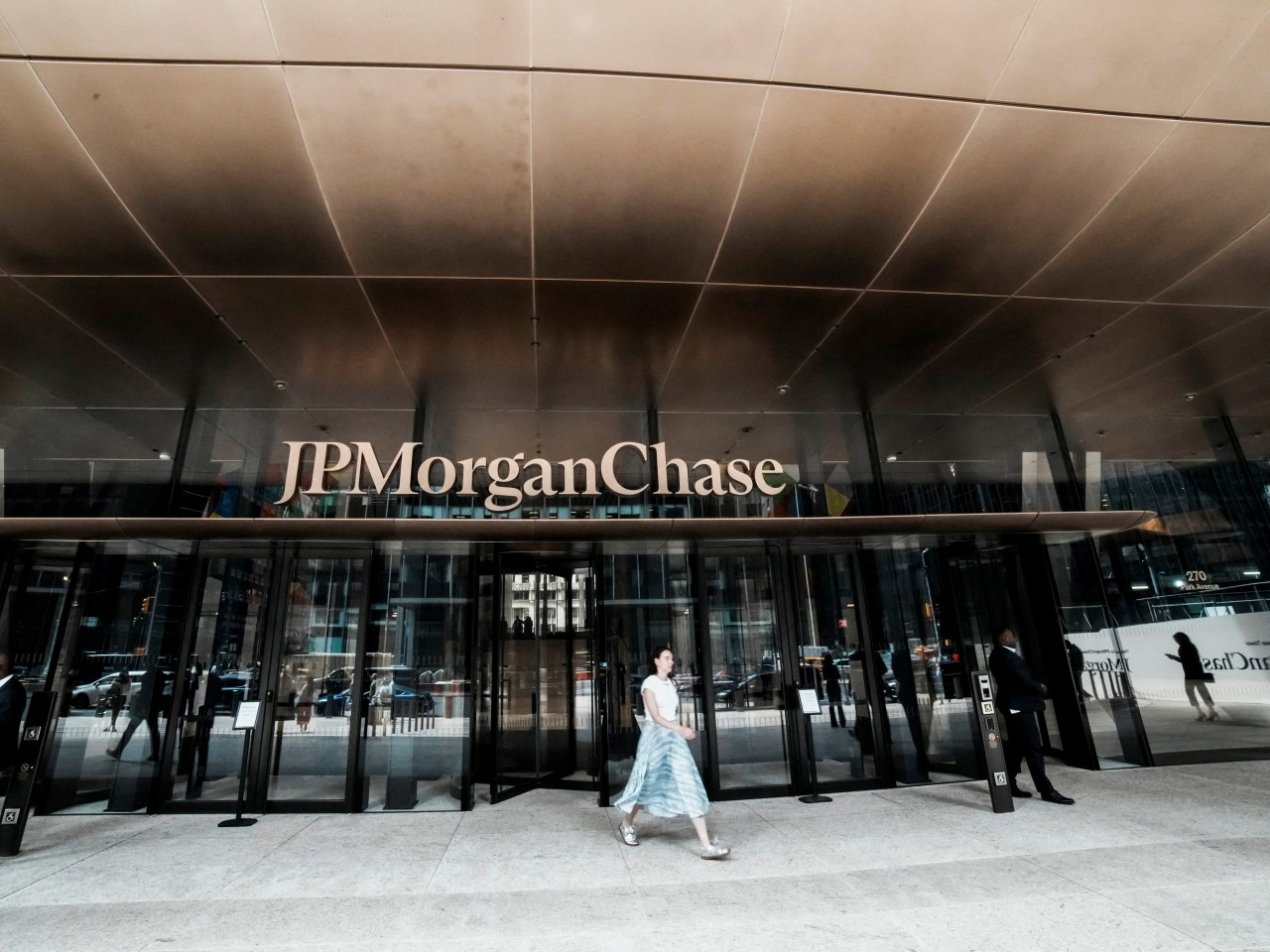
JPMorganChase plans to deploy more than $750 billion through 2035 to increase housing supply and support homeownership across the United States, putting one of the country’s largest banks behind a multiyear effort to address housing affordability.
The commitment is part of the bank’s American Dream Initiative and includes financing intended to help build or preserve 1 million affordable housing units. JPMorganChase also says it aims to help 500,000 customers purchase homes, including 200,000 first-time buyers. The bank plans to increase mortgage lending by more than 40% and add 850 Home Lending Advisors.
For renters, however, the headline figure does not mean that $750 billion will be distributed directly to households struggling with monthly housing costs. Much of the initiative is designed to finance housing supply, mortgages, developers, owners, nonprofits and other participants in the housing market. The effect on renters will therefore depend partly on where the capital is deployed and what types of housing it helps create or preserve.
What JPMorgan’s $750 Billion Housing Commitment Includes
The $750 billion figure represents the bank’s planned housing capital deployment through 2035. JPMorganChase says the commitment is nearly 40% higher than its housing capital deployment over the previous decade.
The initiative has several components.
Affordable housing supply
JPMorganChase intends to finance 1 million affordable housing units over the next decade. The bank defines the target as housing units affordable to households earning below 120% of area median income.
The financing can include debt, equity and grants and may involve developers, housing owners, nonprofit organizations and government partners.
Homeownership
The bank intends to help 500,000 customers purchase homes, including 200,000 first-time homebuyers.
It says mortgage lending will increase by more than 40%, supported by additional Home Lending Advisors, digital tools and potential new mortgage products for modular and manufactured homes. The bank also says it will work with organizations on measures including down-payment assistance.
Policy and research
JPMorganChase also plans to use its research and policy operations to support measures affecting housing supply, permitting, zoning, building codes and mortgage-market access.
That means the initiative is not structured solely as a lending program. It combines financing with policy engagement and partnerships.
How Much of the Money Could Reach Renters?
The distinction between housing capital and direct renter assistance is important.
JPMorganChase describes its initiative as supporting renters and homeowners at different stages of the housing journey. Its affordable-housing target includes financing for units that can be rented, while its homeownership component is aimed at people purchasing properties.
However, the $750 billion should not be interpreted as $750 billion in direct financial assistance to renters.

Capital can move through several parts of the housing system, including:
- Multifamily housing
- Affordable rental developments
- Mortgage lending
- Housing developers
- Community organizations
- Public-private housing projects
- Construction and preservation projects
- Homebuyer assistance
- Modular and manufactured housing
The eventual effect on rents and purchase prices will therefore depend on the number, location and affordability of the units supported.
Why Housing Supply Matters to Renters
Housing affordability is affected by both the cost of existing homes and the availability of additional housing.
JPMorganChase’s own housing research has identified restrictive zoning, fragmented development rules and permitting delays as factors that can limit the quantity and type of housing produced. The bank’s June 2026 research also noted that zoning and permitting reforms alone may not be sufficient to produce homes at the price points many families need.
Increasing supply can therefore be relevant to renters as well as buyers.
More rental units can expand the available housing stock. More affordable units can increase the supply available to households that qualify under specific income requirements.
But the impact is not uniform.
A new apartment development aimed at middle-income households may expand overall supply without directly addressing the needs of households with substantially lower incomes. Similarly, financing expensive homes does not necessarily increase the stock of housing affordable to entry-level buyers.
First-Time Buyers Face a Separate Affordability Challenge
The homeownership component of JPMorganChase’s initiative is aimed partly at first-time buyers, but purchasing a home involves several costs beyond the advertised sale price.
Potential buyers may need to account for:
- Down payments
- Mortgage interest
- Property taxes
- Homeowners insurance
- Closing costs
- Maintenance
- Homeowners association fees where applicable
JPMorganChase’s own 2025 analysis found that the combination of higher home prices and mortgage rates had significantly increased monthly costs for prospective buyers. The bank reported that the nationwide 30-year fixed mortgage rate rose from 3.7% at the end of 2019 to 6.9% at the end of 2024, while nationwide home-price indexes increased by about 50% over the same five-year period.
That environment creates a gap between qualifying for a mortgage and being able to comfortably afford the resulting monthly payment.
Down-Payment Assistance Is One Part of the Equation
JPMorganChase says it will work with organizations to help lower mortgage costs and improve long-term affordability, including through down-payment assistance.
For renters trying to transition into homeownership, accumulated savings can be one of the barriers.

A lower down payment can reduce the amount of cash required at purchase, although the effect depends on the mortgage structure, interest rate, insurance requirements and other costs.
This creates a potential role for financial-technology companies that focus on savings, financial planning and first-time-buyer preparation.
Such products operate on the demand side of the housing equation, while JPMorganChase’s large-scale financing initiative also addresses supply.
JPMorgan Is Also Considering Modular and Manufactured Homes
One notable element of the initiative is the bank’s reference to modular and manufactured homes.
JPMorganChase says it is considering innovative construction approaches such as these as potential new loan-product offerings.
These housing types can involve different construction and financing models from conventional site-built homes.
Their relevance to affordability depends on factors such as land costs, local zoning, transportation, infrastructure, construction costs and financing availability.
The inclusion of alternative construction methods therefore does not automatically mean lower-cost housing will become available in every market. Local development conditions remain important.
The Community Reinvestment Act Provides Broader Context
Large-bank housing activity also exists within a wider regulatory framework.
The Community Reinvestment Act (CRA) requires federal banking regulators to evaluate how banks meet the credit needs of their communities, consistent with safe and sound banking. Federal regulations define community development to include affordable housing, including multifamily rental housing, for low- and moderate-income individuals.
That regulatory context is relevant when assessing large housing commitments by regulated banks.
It does not mean that the entire $750 billion commitment should be treated as a CRA obligation. JPMorganChase’s announced program is broader and includes commercial lending, mortgage lending, equity, grants, policy engagement and other activities.
The CRA nevertheless forms part of the institutional environment in which large U.S. banks operate.
Where the Capital Could Flow
The structure announced by JPMorganChase gives the bank several channels through which to deploy housing capital.

Developers and housing owners
Debt and equity financing can support construction, acquisition, rehabilitation or preservation of housing.
Nonprofit organizations
Community organizations can participate in affordable-housing development and preservation through partnerships and financing structures.
Government partnerships
Public-private financing can combine bank capital with government programs, tax incentives and other public resources.
Mortgage borrowers
Increased mortgage lending can provide financing directly to homebuyers who meet the lender’s underwriting requirements.
New construction models
The bank says it will examine modular and manufactured housing as possible areas for new lending products.
The mix of these channels will determine how much of the initiative ultimately reaches renters, first-time buyers and different income groups.
The Housing Shortage Cannot Be Addressed by Financing Alone
Capital is necessary for housing development, but it is not the only constraint.
JPMorganChase’s own research identifies regulatory and development barriers affecting the supply of housing, including zoning, building codes and permitting processes.
The bank has also supported federal and state-level measures intended to reduce development barriers.
In June 2026, JPMorganChase said Congress had passed the 21st Century ROAD to Housing Act, which the bank described as a measure intended to strengthen tools for building and preserving affordable housing and address regulatory and process-related delays.
This illustrates why the bank’s initiative includes policy engagement alongside financing.
A lender can provide capital for a development, but local rules can still determine whether, where and how quickly housing can be built.
What the Commitment Could Mean for Fintech
The initiative could also affect the competitive environment for financial-technology companies serving renters and first-time buyers.
Fintech businesses have developed products around:

- Down-payment savings
- Digital mortgage applications
- Credit-building
- Rent reporting
- Homebuyer education
- Mortgage comparison
- Financial planning
- Alternative home-financing models
A large bank has advantages in balance sheet capacity, customer distribution and access to mortgage infrastructure.
At the same time, specialized fintech companies can focus on narrower parts of the homeownership journey that large financial institutions may not address through a single product.
The outcome will depend on whether the new capital expands the overall market for housing finance or shifts market share toward JPMorganChase’s own products.
Measuring the Initiative Will Require More Than the $750 Billion Figure
The headline capital commitment provides a measure of scale, but it does not by itself show the initiative’s eventual housing impact.
Several indicators will provide more information as the program develops:
- Number of affordable units financed or preserved
- Geographic distribution of those units
- Income levels served
- Number of first-time buyers assisted
- Mortgage lending volume
- Average loan size
- Down-payment assistance provided
- Number of modular or manufactured homes financed
- Rental units created or preserved
- Private and public capital mobilized alongside JPMorganChase funding
These measures can help distinguish between capital deployed and actual housing outcomes.
JPMorganChase already reports that between 2021 and 2025 it provided more than $52 billion in debt and equity financing for affordable housing and helped create or preserve more than 435,000 affordable housing units.
The new 2035 targets can therefore be assessed against the bank’s previous housing activity rather than viewed in isolation.
What Renters and First-Time Buyers Should Watch
For renters, the most relevant developments may be projects that increase the number of affordable rental units in specific local markets.
For prospective buyers, mortgage availability, interest rates, down-payment requirements and the price of entry-level homes are likely to remain important.
The bank’s stated plan addresses several of these areas, but implementation will vary by market.
A financing commitment at the national level does not guarantee that capital will reach every city or income group equally. Housing markets are highly local, and development costs, land availability, zoning and demand differ substantially between regions.
Conclusion
JPMorganChase’s planned $750 billion housing capital deployment through 2035 represents a large expansion of the bank’s housing-related financing activity.
The program targets 1 million affordable housing units and aims to help 500,000 customers purchase homes, including 200,000 first-time buyers. It also includes increased mortgage lending, additional Home Lending Advisors, potential financing for modular and manufactured homes, down-payment assistance initiatives and policy work focused on housing supply.
For renters, the most important question is not simply how much capital JPMorganChase deploys, but what that capital finances. New and preserved affordable rental housing could affect local supply, while mortgage and down-payment initiatives are aimed more directly at the transition from renting to homeownership.
The initiative also illustrates the limits of finance as a standalone housing solution. Capital can fund construction and mortgages, but zoning, permitting, land costs, construction expenses, interest rates and local housing demand will continue to influence affordability.
The measurable outcomes over the next decade will therefore depend on how the $750 billion is allocated and how effectively financing is combined with housing development and public policy at the local level.

