


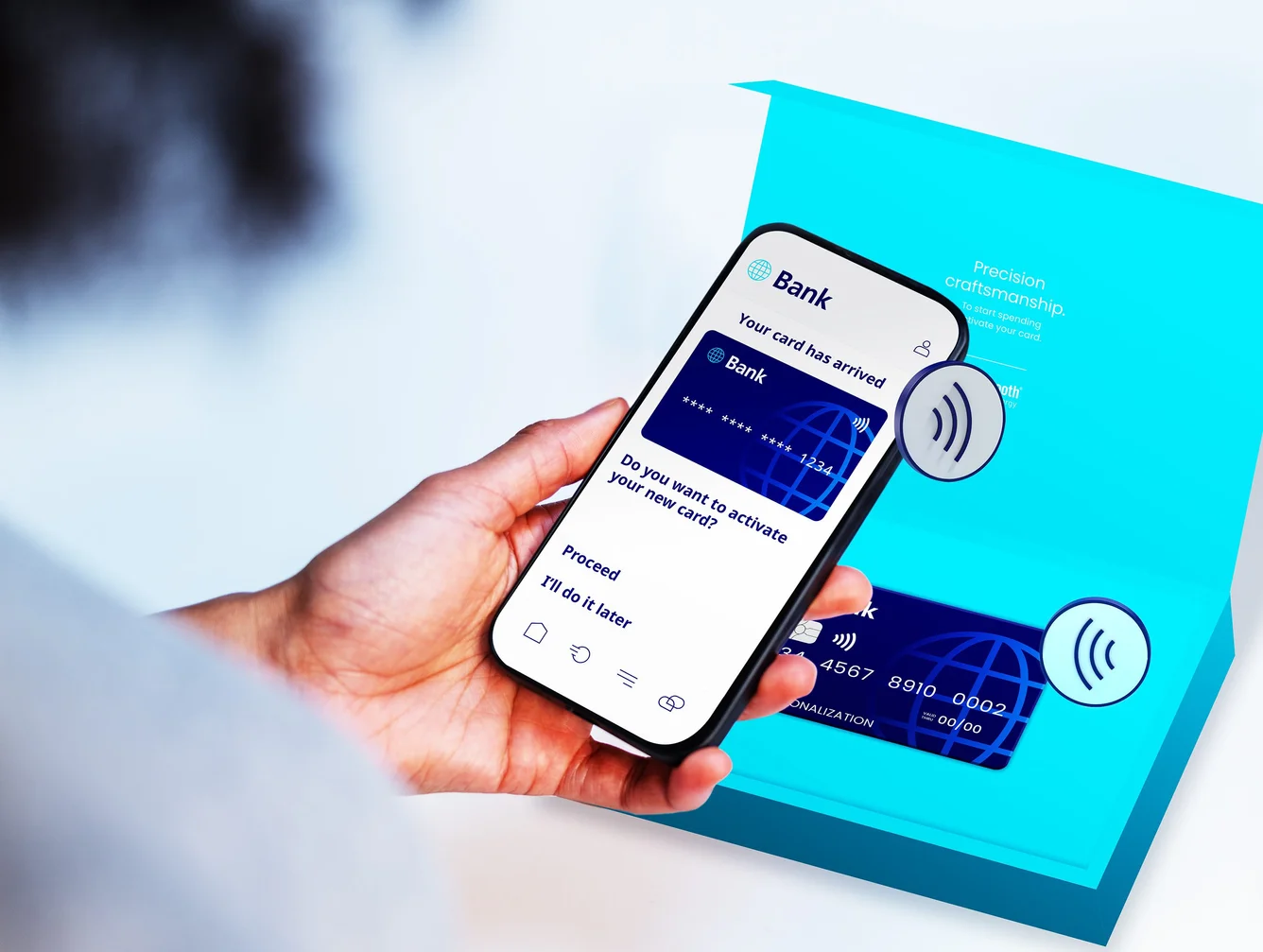
The phygital banking strategy is emerging as a structural framework in modern retail finance, reshaping how banks and fintech firms integrate physical infrastructure with digital-first services. Rather than replacing traditional banking channels, institutions are increasingly combining them into unified systems designed to reduce friction across customer journeys.
The shift reflects broader changes in retail banking, where digital adoption has accelerated while demand for physical trust signals and in-person access points remains stable in specific use cases. Industry participants are now recalibrating their operating models to support hybrid delivery systems across payments, onboarding, servicing, and identity verification.
According to industry data, the evolution of retail banking infrastructure is being driven by competition between digital-only platforms and incumbents with established branch networks, alongside rising expectations for real-time, cross-channel financial services.
What Is a Phygital Banking Strategy?
The phygital banking strategy refers to the integration of physical banking infrastructure with digital platforms into a single operational ecosystem. It is designed to allow customers to move seamlessly between mobile applications, automated service points, and limited physical touchpoints without disruption.
Unlike traditional omnichannel banking, phygital models are built on shared infrastructure layers. This means identity verification, transaction history, and customer interaction data are synchronized across both physical and digital environments in real time.
In practice, this approach is used to combine mobile-first banking apps with tools such as smart kiosks, card issuance points, and assisted service hubs. Financial institutions aim to maintain digital efficiency while preserving physical verification and support mechanisms where necessary.
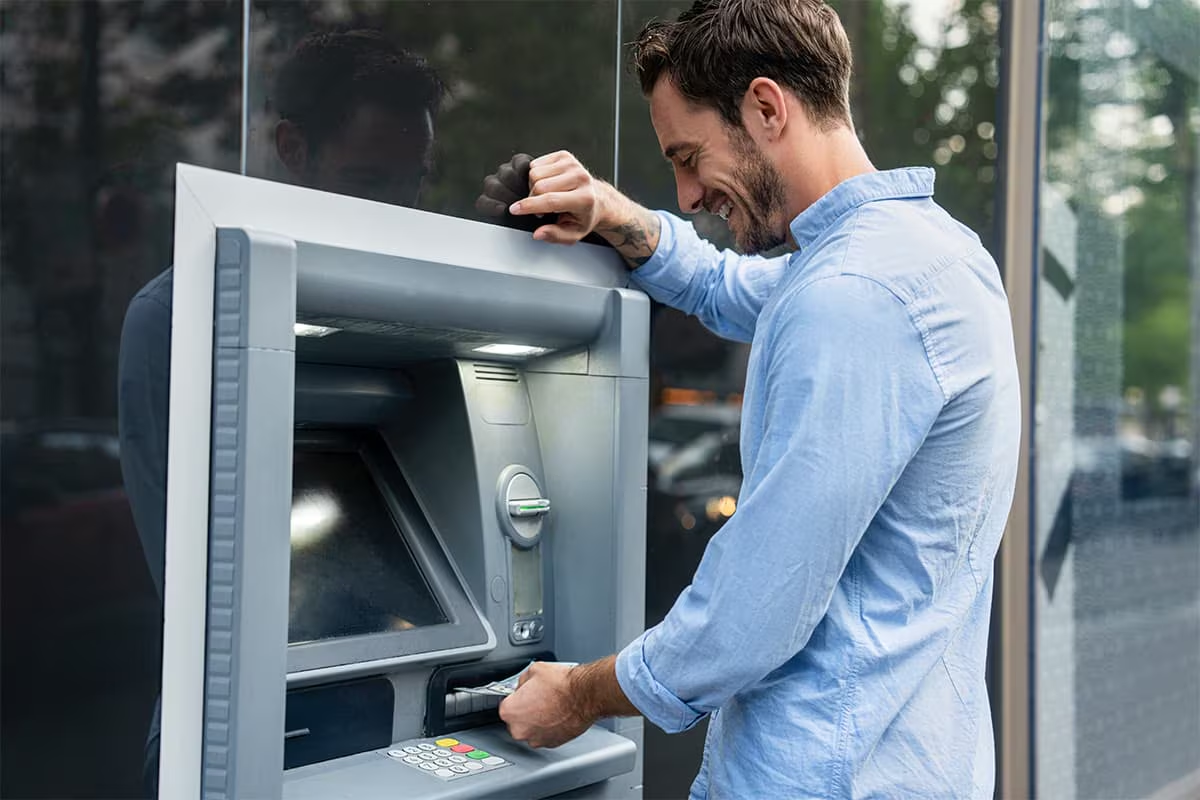
How Phygital Banking Works Across Integrated Channels
Phygital systems rely on interoperability between digital platforms and physical infrastructure.
Core components typically include:
- Mobile banking applications for account management and transactions
- Physical cards linked to digital wallets and identity systems
- Automated kiosks for onboarding, card replacement, and verification
- Assisted service points for complex or high-risk transactions
A key operational feature is real-time data synchronization. Customer actions performed in-app are reflected instantly in physical systems such as kiosks or service terminals.
Technology providers such as Giesecke+Devrient have developed solutions like card design platforms and issuance systems that allow personalization and instant physical deployment. Products such as Convego AI Card Designer and Convego Issuance Kiosk are examples of infrastructure designed to bridge digital customization with physical output.
Key Drivers Behind Phygital Banking Strategy Adoption
Several structural factors are accelerating adoption of phygital banking models.
1. Changing customer expectations
Users increasingly expect real-time service delivery, but still associate physical elements such as cards or service points with security and legitimacy.

2. Competition between fintech and incumbents
Digital-first firms and traditional banks are converging on similar service models, leading to differentiation through hybrid infrastructure rather than channel exclusivity.
3. Identity and trust requirements
Regulatory frameworks in many jurisdictions still require robust identity verification processes that often benefit from physical or assisted validation points.
4. Infrastructure modernization
Banks are reducing branch density while investing in automated service hubs and digital onboarding systems to maintain coverage efficiency.
Physical Infrastructure in the Phygital Banking Strategy
The physical layer of the phygital banking strategy is shifting away from traditional branch-centric models toward distributed service networks.
Branch transformation
Retail branches are increasingly focused on advisory and high-value services rather than transactional processing. Routine activities are migrated to digital platforms.
Smart kiosks and automated hubs
Self-service systems are being deployed in high-traffic areas such as airports and transport terminals. These kiosks can support card issuance, identity verification, and account recovery services.

For example, systems such as the Convego Issuance Kiosk enable users to verify identity via mobile applications and collect activated cards within minutes. This reduces dependency on centralized branch networks.
Physical payment instruments
Despite digitization, payment cards remain a persistent physical component. They serve both functional and symbolic roles, acting as a tangible representation of account ownership and brand identity in digital-first ecosystems.
Costs and Operational Implications of Phygital Models
The implementation of a phygital banking strategy requires investment across both digital infrastructure and physical deployment systems.
Key cost categories include:
- Digital platform development and API integration
- Hardware deployment for kiosks and issuance terminals
- Card production and personalization systems
- Cybersecurity and identity verification infrastructure
- Maintenance of distributed physical networks
While branch consolidation may reduce long-term overhead, upfront capital expenditure increases due to technology integration requirements.
Financial analysts note that hybrid models often require parallel operating structures during transition phases, which can temporarily increase complexity and cost base.

Risks and Limitations in Phygital Banking Models
Despite operational advantages, phygital systems introduce several constraints.
- System integration risk: Synchronizing physical and digital infrastructure requires high system reliability
- Cybersecurity exposure: Expanded digital touchpoints increase attack surfaces
- Operational fragmentation: Poor integration can result in inconsistent customer experiences
- Regulatory variability: Physical and digital banking components may fall under different supervisory frameworks across jurisdictions
- Scalability constraints: Physical infrastructure deployment is slower compared to purely digital scaling
Industry observers note that execution risk is concentrated in ensuring seamless interoperability between channels rather than in individual technologies.
Future Outlook for Phygital Banking Strategy
The long-term trajectory of the phygital banking strategy suggests continued convergence between digital platforms and physical financial infrastructure.
Industry participants are increasingly embedding services such as instant card issuance, biometric authentication, and mobile-based identity verification into unified ecosystems. At the same time, physical infrastructure is being repositioned as a support layer rather than a primary transaction channel.
Emerging developments include expanded use of AI-driven personalization tools, embedded financial services within travel and lifestyle ecosystems, and broader adoption of cross-border instant connectivity solutions such as eSIM-based onboarding.
The evolution indicates that banking infrastructure is moving toward modular systems where physical and digital components operate as interchangeable service layers rather than separate channels.
The phygital banking strategy reflects a structural shift in retail finance architecture rather than a temporary trend. It combines digital banking efficiency with selective physical infrastructure to address trust, accessibility, and operational continuity requirements.
As financial institutions continue to modernize service delivery models, hybrid systems are expected to remain a central feature of global banking transformation.

