


Introduction
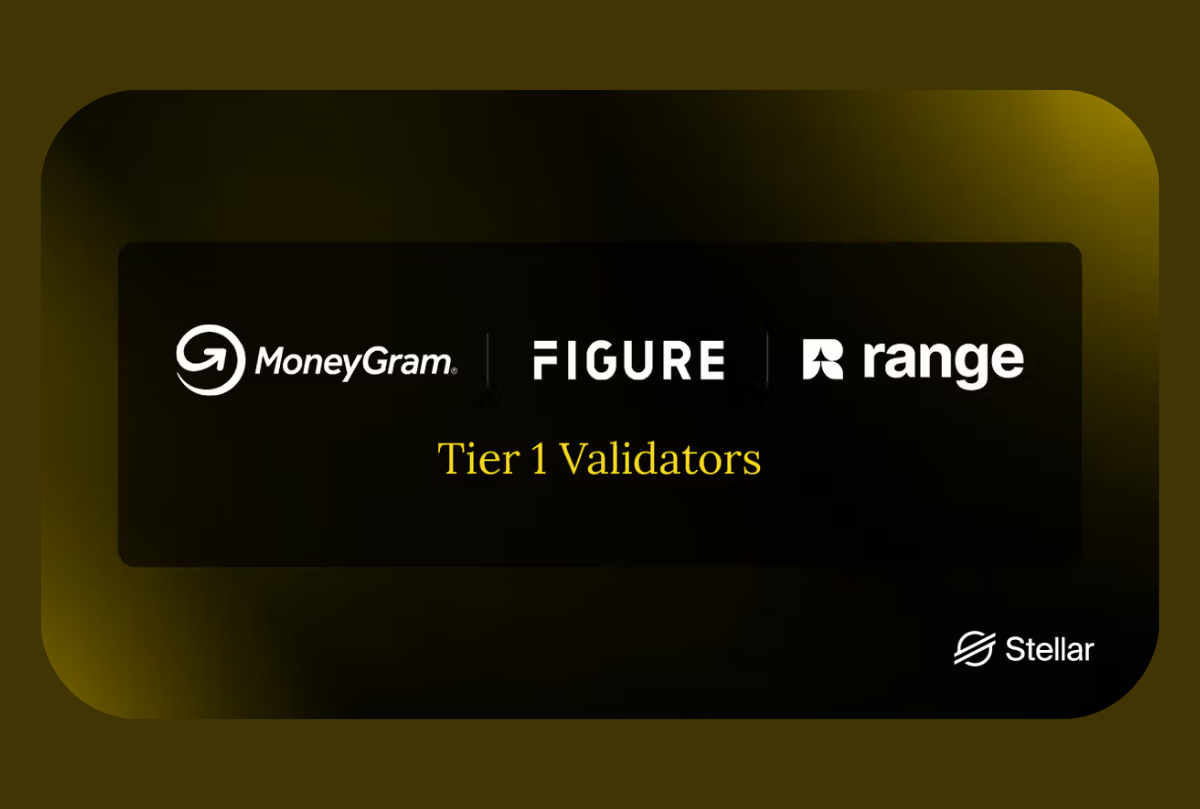
MoneyGram, Figure Markets and Range have been named as new Tier 1 validators on the Stellar blockchain network, according to the Stellar Development Foundation (SDF), a move intended to broaden decentralisation and fault tolerance on infrastructure the foundation positions for regulated finance use cases. The three organisations are expected to be fully integrated into the network’s quorum configuration by mid-August 2026.
This development matters within a broader competitive landscape among layer-1 blockchain networks seeking institutional and regulated-finance adoption. Competitors including Ripple’s XRP Ledger and Ethereum-based settlement layers have made comparable pitches to banks and payments firms seeking blockchain infrastructure with compliance controls embedded directly into the protocol rather than added afterward.
Stakeholders affected include regulated financial institutions evaluating blockchain settlement rails, compliance and risk teams assessing counterparty transparency, and stablecoin issuers such as Figure Markets, whose $YLDS product operates on the Stellar network. The timing coincides with active regulatory development around stablecoins and digital payments in the EU, UK and US.
What Tier 1 Validator Status on Stellar Involves

Tier 1 status on Stellar carries defined technical and operational obligations. According to the SDF, each validator organisation must operate three geographically dispersed full validators, maintain uptime of 99.9% or above, publish complete history archives, and complete the SEP-1 and SEP-20 self-verification standards that allow nodes to be publicly identified. Validators are also expected to coordinate with the existing Tier 1 community on protocol upgrades.
Jose Fernandez da Ponte, president and chief growth officer at the SDF, noted that Stellar’s proof-of-agreement consensus model allows each validator to select its own quorum set, providing risk teams at regulated institutions with a vetted, identifiable set of peers rather than an anonymous validator pool.
How the Three New Validators Bring Distinct Roles
The three incoming organisations approach the validator role from different vantage points. MoneyGram has operated on Stellar since 2021, using the network for cash on- and off-ramps tied to digital assets and a consumer-facing stable digital dollar balance linked to its global payments network. Luke Tuttle, MoneyGram’s chief product and technology officer, said the validator commitment reflects the company’s view that future payments infrastructure will rely on open, interoperable rails.
Figure Markets, the blockchain-native exchange arm of Figure Technology Solutions (Nasdaq: FIGR), brings capital markets experience and already issues $YLDS, an SEC-registered yield-bearing stablecoin on Stellar. Karl Samsen, principal for $YLDS at Figure, described the validator role as part of a broader effort to establish the company as a significant network contributor alongside its asset issuance work.
Range provides real-time monitoring and pre-execution compliance controls across more than 200 blockchain networks and states it currently secures more than $30 billion in customer assets across stablecoin and fiat rails. Chief executive Andres Monteoliva characterised the validator role as an extension of the company’s existing infrastructure security work.
Payments Firms vs Infrastructure and Compliance Providers
The three new validators illustrate different institutional entry points into blockchain infrastructure. MoneyGram represents a payments and remittance-adjacent firm using blockchain rails to support existing consumer products. Figure Markets represents a capital markets and asset-issuance participant. Range represents a compliance and security infrastructure provider. Their combined participation reflects the range of institutional functions the SDF is seeking to anchor within Stellar’s validator set.
Key Factors Driving Validator Expansion
Several factors are shaping this expansion. Reputationally, adding named, regulated institutions as validators signals to compliance officers and risk teams that network consensus is anchored by identifiable counterparties with direct financial stakes, rather than anonymous miners or stakers. Technically, broader geographic and organisational distribution of validators improves the network’s fault tolerance.

Regulatory timing is also a relevant factor. The EU’s Markets in Crypto-Assets regulation is now in full effect, and both the UK and US are actively developing stablecoin and digital payments frameworks. Blockchain infrastructure aspiring to carry regulated stablecoin settlement at scale needs to demonstrate governance and resilience standards consistent with what regulators are expected to apply to systemically important payment infrastructure.
Costs, Impact, and Implications for Regulated Finance
For institutions settling transactions on Stellar, auditable uptime records and publicly identifiable validator organisations are intended to provide a higher degree of assurance than anonymous validator pools offer. Andres Monteoliva of Range framed this directly, stating that institutions settling real money on Stellar should know the organisations underpinning the network have a direct stake in keeping it secure.
For the SDF, the strategic value of the expansion is both reputational and technical, positioning Stellar competitively against other layer-1 networks pursuing institutional and regulated-finance adoption, including Ripple’s XRP Ledger and Ethereum-based settlement layers.
Risks and Limitations
The new validators are not yet fully integrated into the network’s quorum configuration, with integration expected by mid-August 2026; actual performance against the 99.9% uptime threshold under the new configuration has not yet been demonstrated. The extent to which named institutional validators meaningfully reduce systemic risk compared with a broader anonymous validator set has not been independently assessed and remains a matter for ongoing evaluation by risk teams and regulators.
Additionally, regulatory frameworks for stablecoins and digital payments in the EU, UK and US remain under active development, meaning the standards blockchain infrastructure will ultimately need to meet are not yet fully settled. This analysis is based on statements from the SDF and the three validator organisations; independent verification of asset-under-management and uptime figures was not available at the time of reporting.
Future Outlook
Industry observers are likely to monitor which additional institutions the SDF recruits to Tier 1 validator status, whether Figure’s $YLDS stablecoin achieves wider distribution on the Stellar network, and how the network performs against its 99.9% uptime threshold once the new quorum configuration is fully live. Broader adoption of blockchain infrastructure by regulated financial institutions will likely continue to depend on how effectively networks like Stellar can demonstrate governance and resilience standards aligned with evolving regulatory expectations in major jurisdictions.
Conclusion
MoneyGram, Figure Markets and Range have joined Stellar as Tier 1 validators, a status carrying specific technical, uptime and self-verification obligations, with full quorum integration expected by mid-August 2026. The expansion reflects a broader effort by the Stellar Development Foundation to position the network for regulated finance use cases amid active competition among layer-1 blockchains and evolving stablecoin regulation in the EU, UK and US.

