


Introduction
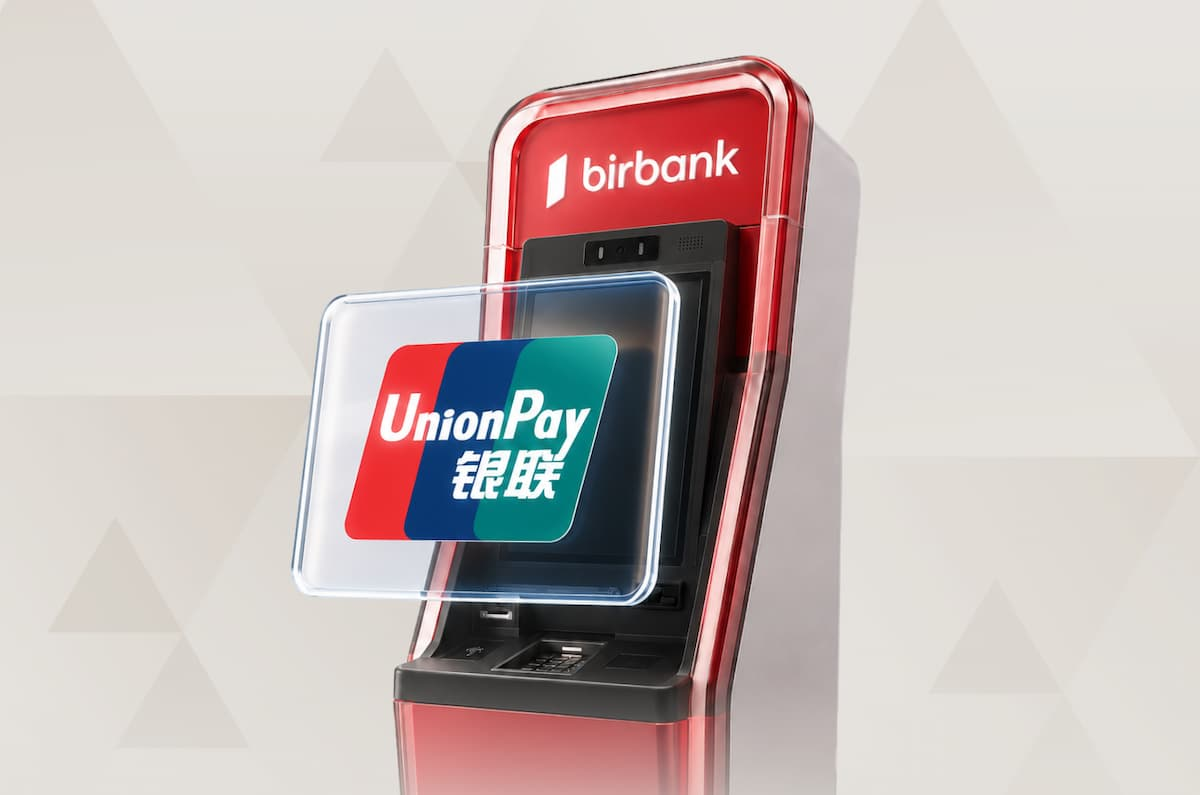
Azerbaijan’s Bir payment ecosystem has entered a partnership with UnionPay International, the global payments subsidiary of China’s UnionPay, to expand acceptance of UnionPay-branded cards across the country. According to Bir, the first phase of the rollout is already operational, giving UnionPay cardholders access to online checkout at more than 1,000 merchants and cash withdrawal at approximately 1,300 Birbank ATMs.
The partnership matters beyond Azerbaijan’s domestic payments market because it reflects a broader pattern of card network expansion into transit economies positioned along major trade corridors. UnionPay International operates one of the largest card acceptance networks globally by cardholder count, with particular density in China and in markets with significant Chinese outbound tourism and trade activity.
Stakeholders affected by this development include inbound visitors from Asia seeking card acceptance while travelling or conducting business in Azerbaijan, local merchants seeking to capture spending that would otherwise be declined or conducted in cash, and Bir itself, which is using the partnership to demonstrate the acquiring capability of a payment ecosystem launched only in 2025.

What the UnionPay Azerbaijan Partnership Involves
The agreement between Bir and UnionPay International expands UnionPay card acceptance across Bir’s acquiring network in phases. The first phase, already live, covers online checkout at over 1,000 merchants and cash withdrawal at approximately 1,300 Birbank ATMs. According to Bir, the next phase will extend acceptance into Birbank’s point-of-sale acquiring network, covering contactless and chip payments at physical merchant locations, while Birbank users will also gain the ability to send money directly to UnionPay cards.
Once complete, Bir states it will support UnionPay across every major acquiring channel it operates, including ATMs, e-commerce, POS terminals, and mobile POS devices. The company has described this as among the most comprehensive international acquiring infrastructures in Azerbaijan, though the timeline for completing the final rollout phase has not been specified.
How Card Network Expansion Works in Transit Economies

Azerbaijan occupies a position on the Southern Corridor trade route and has been developing its infrastructure and tourism sector around its role as a transit economy connecting Asia and Europe. UnionPay International’s expansion into Azerbaijan fits a broader pattern of extending acceptance infrastructure along the Belt and Road corridor and into hubs linking these two regions.
Jalal Orujov, chief executive of payments at Bir, said the partnership forms part of a wider strategy to connect Azerbaijan’s payment infrastructure to major global networks, noting that UnionPay acceptance is intended to make Azerbaijan more accessible to international visitors while helping local businesses serve international customers. Wang Lixin, chief executive of UnionPay International, characterised the agreement as a step toward strengthening payment connectivity between Azerbaijan and Asia, with a focus on travel, trade, and commerce.
Card Acquiring vs Card Issuance
The partnership centres on acquiring infrastructure, meaning the systems that allow merchants and ATMs in Azerbaijan to accept UnionPay cards issued elsewhere, rather than on Bir issuing new UnionPay-branded cards domestically. This distinction is significant: the primary near-term beneficiaries are inbound visitors carrying UnionPay cards rather than local Azerbaijani cardholders, with the commercial value concentrated in merchant transaction capture.

Costs, Impact, and Implications for the Payments Ecosystem
For merchants across Azerbaijan, expanded UnionPay acceptance represents an opportunity to capture transaction volume from Chinese and other Asian visitors that might otherwise be lost to cash payments or declined transactions. For Bir, successfully building multi-network acquiring infrastructure requires both technical certification with each card scheme and regulatory compliance with the Central Bank of Azerbaijan, which governs payment services in the country.
The Bir ecosystem, launched in 2025, currently reaches more than five million users and groups Birbank, the Birmarket e-commerce platform, Milliön payment terminals, and the m10 e-wallet application under a single brand. It also holds existing partnerships with the Trendyol marketplace and BakıKart, Baku’s transportation payment solution. The UnionPay partnership adds to this existing infrastructure rather than representing an isolated initiative.
Risks and Limitations

The phased structure of the rollout indicates that certification work for the point-of-sale channel remains under way, and Bir has not specified a completion timeline for the full acquiring network. Reports indicate that the completeness and speed of this final phase will determine whether Bir can credibly deliver the comprehensive acquiring coverage it has outlined.
Additionally, the commercial impact of the partnership depends significantly on inbound travel and trade volumes between Azerbaijan and Asia, factors that are not solely within Bir’s or UnionPay’s control. This analysis is based on statements from Bir and UnionPay International; independent verification of merchant and ATM acceptance figures was not available at the time of reporting.
Future Outlook
The Bir-UnionPay partnership reflects a broader trend of payment networks expanding acceptance infrastructure into strategically positioned transit economies rather than solely into large consumer markets. Whether this approach yields the intended commercial benefits will depend on the pace of remaining certification work, regulatory approval timelines with the Central Bank of Azerbaijan, and actual travel and trade flows between Azerbaijan and Asian markets in the period ahead.
Conclusion
Bir’s partnership with UnionPay International expands UnionPay card acceptance across Azerbaijan in phases, with online and ATM access already live and point-of-sale acceptance planned for a subsequent phase without a confirmed completion date. The agreement positions Azerbaijan’s payment infrastructure within a broader pattern of card network expansion along Asia-Europe trade corridors, with near-term benefits concentrated among inbound visitors and merchants rather than domestic cardholders.

